Simple can be harder than complex. You have to work hard to get your thinking clean to make it simple. But it’s worth it in the end because once you get there, you can move mountains.
Simple can be harder than complex. You have to work hard to get your thinking clean to make it simple. But it’s worth it in the end because once you get there, you can move mountains.
Feb 2025
And the irony is—most designers forget this.
According to a Nielsen Norman Group study, users decide whether to stay or leave a webpage in just 10 seconds. Days of effort, and they swipe away in a blink.
Brutal?
Absolutely. And this is exactly why one rule that made Apple what it is today is often ignored—simplicity is harder than it looks.
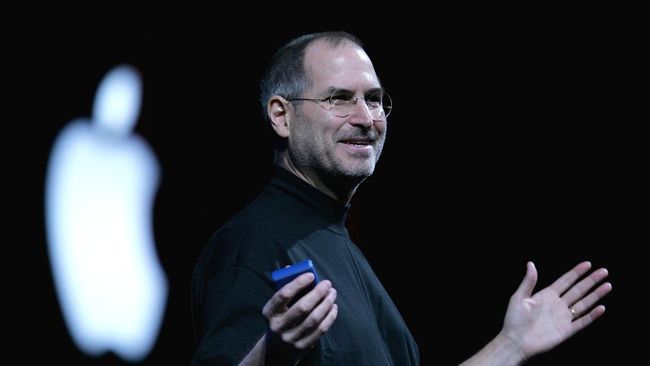
Jobs once said: "Simple can be harder than complex. You have to work hard to get your thinking clean to make it simple."
And it’s true.
But what happens in the real world?
- Product manager: “Let’s just add one more feature.”
- Stakeholder: “Can we make it a bit more informative?”
- User: “Can this app also make my coffee?”
And slowly, a clean design turns into a feature-heavy mess.
I’ve made this mistake too.
I once designed a SaaS dashboard—packed it with every possible metric, chart, and visualization. A full buffet!
After launch? Crickets. Users were overwhelmed, clicks dropped.
Later, I stripped it down—kept just three key metrics.
And the feedback? “So clean!” “Finally, I understand what to focus on!”
So how do you actually keep things simple?
✅ 𝗣𝗿𝗶𝗼𝗿𝗶𝘁𝗶𝘇𝗲 𝗿𝘂𝘁𝗵𝗹𝗲𝘀𝘀𝗹𝘆: If it’s not essential, it’s extra.
✅ 𝗚𝗿𝗮𝗻𝗱𝗺𝗮 𝗧𝗲𝘀𝘁: Could your non-tech-savvy grandma use it without instructions? If not, back to the drawing board.
✅ 𝗟𝗲𝗮𝗿𝗻 𝘁𝗼 𝘀𝗮𝘆 𝗻𝗼: Steve Jobs cut hundreds of Apple products just to focus on Mac, iPod, and iPhone. Saying no isn’t failure, it’s focus.
✅ 𝗧𝗲𝘀𝘁 𝗹𝗶𝗸𝗲 𝗰𝗿𝗮𝘇𝘆: Watch real users interact with your design. Remove friction. Repeat.
The emotional impact of simplicity?
When a design just works, people remember it. They come back. They recommend it. 𝗦𝗶𝗺𝗽𝗹𝗶𝗰𝗶𝘁𝘆 𝗶𝘀𝗻’𝘁 𝗷𝘂𝘀𝘁 𝗨𝗫—𝗶𝘁’𝘀 𝗹𝗼𝘆𝗮𝗹𝘁𝘆.
So next time you’re designing, pause and ask yourself—
"𝗪𝗵𝗮𝘁 𝘄𝗼𝘂𝗹𝗱 𝗝𝗼𝗯𝘀 𝗱𝗼?" 😏
And the irony is—most designers forget this.
According to a Nielsen Norman Group study, users decide whether to stay or leave a webpage in just 10 seconds. Days of effort, and they swipe away in a blink.
Brutal?
Absolutely. And this is exactly why one rule that made Apple what it is today is often ignored—simplicity is harder than it looks.
Jobs once said: "Simple can be harder than complex. You have to work hard to get your thinking clean to make it simple."
And it’s true.
But what happens in the real world?
- Product manager: “Let’s just add one more feature.”
- Stakeholder: “Can we make it a bit more informative?”
- User: “Can this app also make my coffee?”
And slowly, a clean design turns into a feature-heavy mess.
I’ve made this mistake too.
I once designed a SaaS dashboard—packed it with every possible metric, chart, and visualization. A full buffet!
After launch? Crickets. Users were overwhelmed, clicks dropped.
Later, I stripped it down—kept just three key metrics.
And the feedback? “So clean!” “Finally, I understand what to focus on!”
So how do you actually keep things simple?
✅ 𝗣𝗿𝗶𝗼𝗿𝗶𝘁𝗶𝘇𝗲 𝗿𝘂𝘁𝗵𝗹𝗲𝘀𝘀𝗹𝘆: If it’s not essential, it’s extra.
✅ 𝗚𝗿𝗮𝗻𝗱𝗺𝗮 𝗧𝗲𝘀𝘁: Could your non-tech-savvy grandma use it without instructions? If not, back to the drawing board.
✅ 𝗟𝗲𝗮𝗿𝗻 𝘁𝗼 𝘀𝗮𝘆 𝗻𝗼: Steve Jobs cut hundreds of Apple products just to focus on Mac, iPod, and iPhone. Saying no isn’t failure, it’s focus.
✅ 𝗧𝗲𝘀𝘁 𝗹𝗶𝗸𝗲 𝗰𝗿𝗮𝘇𝘆: Watch real users interact with your design. Remove friction. Repeat.
The emotional impact of simplicity?
When a design just works, people remember it. They come back. They recommend it. 𝗦𝗶𝗺𝗽𝗹𝗶𝗰𝗶𝘁𝘆 𝗶𝘀𝗻’𝘁 𝗷𝘂𝘀𝘁 𝗨𝗫—𝗶𝘁’𝘀 𝗹𝗼𝘆𝗮𝗹𝘁𝘆.
So next time you’re designing, pause and ask yourself—
"𝗪𝗵𝗮𝘁 𝘄𝗼𝘂𝗹𝗱 𝗝𝗼𝗯𝘀 𝗱𝗼?" 😏
And the irony is—most designers forget this.
According to a Nielsen Norman Group study, users decide whether to stay or leave a webpage in just 10 seconds. Days of effort, and they swipe away in a blink.
Brutal?
Absolutely. And this is exactly why one rule that made Apple what it is today is often ignored—simplicity is harder than it looks.
Jobs once said: "Simple can be harder than complex. You have to work hard to get your thinking clean to make it simple."
And it’s true.
But what happens in the real world?
- Product manager: “Let’s just add one more feature.”
- Stakeholder: “Can we make it a bit more informative?”
- User: “Can this app also make my coffee?”
And slowly, a clean design turns into a feature-heavy mess.
I’ve made this mistake too.
I once designed a SaaS dashboard—packed it with every possible metric, chart, and visualization. A full buffet!
After launch? Crickets. Users were overwhelmed, clicks dropped.
Later, I stripped it down—kept just three key metrics.
And the feedback? “So clean!” “Finally, I understand what to focus on!”
So how do you actually keep things simple?
✅ 𝗣𝗿𝗶𝗼𝗿𝗶𝘁𝗶𝘇𝗲 𝗿𝘂𝘁𝗵𝗹𝗲𝘀𝘀𝗹𝘆: If it’s not essential, it’s extra.
✅ 𝗚𝗿𝗮𝗻𝗱𝗺𝗮 𝗧𝗲𝘀𝘁: Could your non-tech-savvy grandma use it without instructions? If not, back to the drawing board.
✅ 𝗟𝗲𝗮𝗿𝗻 𝘁𝗼 𝘀𝗮𝘆 𝗻𝗼: Steve Jobs cut hundreds of Apple products just to focus on Mac, iPod, and iPhone. Saying no isn’t failure, it’s focus.
✅ 𝗧𝗲𝘀𝘁 𝗹𝗶𝗸𝗲 𝗰𝗿𝗮𝘇𝘆: Watch real users interact with your design. Remove friction. Repeat.
The emotional impact of simplicity?
When a design just works, people remember it. They come back. They recommend it. 𝗦𝗶𝗺𝗽𝗹𝗶𝗰𝗶𝘁𝘆 𝗶𝘀𝗻’𝘁 𝗷𝘂𝘀𝘁 𝗨𝗫—𝗶𝘁’𝘀 𝗹𝗼𝘆𝗮𝗹𝘁𝘆.
So next time you’re designing, pause and ask yourself—
"𝗪𝗵𝗮𝘁 𝘄𝗼𝘂𝗹𝗱 𝗝𝗼𝗯𝘀 𝗱𝗼?" 😏
Related posts
Aug 2024
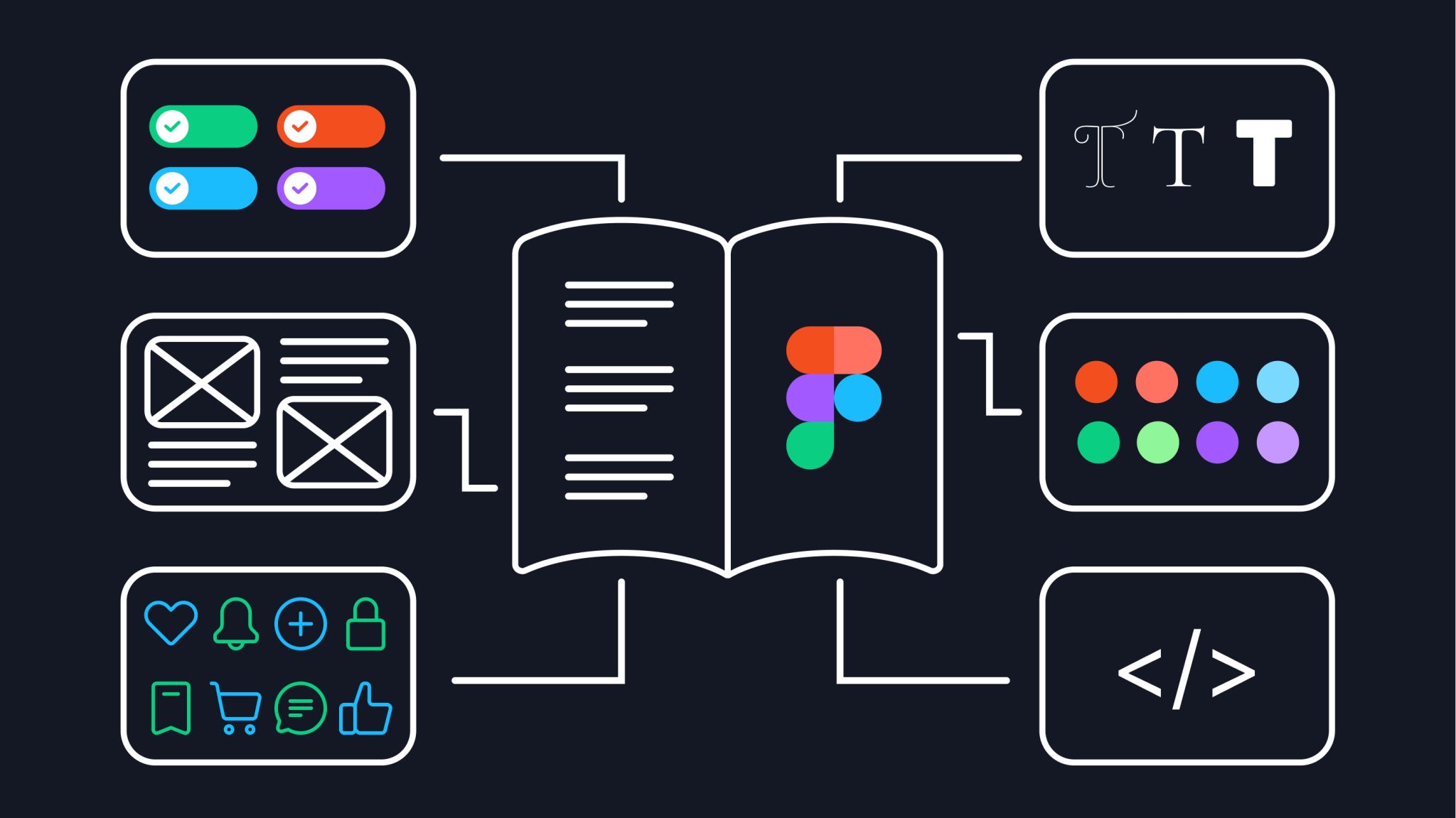
"Kya tumhara UI library tumhari product ki growth rok raha hai?" 🤯

Aug 2024
"Kya tumhara UI library tumhari product ki growth rok raha hai?" 🤯
Feb 2025
𝗔𝗮𝗽𝗸𝗮 𝗙𝘂𝘁𝘂𝗿𝗲 𝗞𝗮 𝗚𝗵𝗮𝗿 𝗞𝗮𝗶𝘀𝗮 𝗛𝗼? 🏡
Through the perspectives of a linear thinker, a design thinker, and a systems thinker!

Feb 2025
𝗔𝗮𝗽𝗸𝗮 𝗙𝘂𝘁𝘂𝗿𝗲 𝗞𝗮 𝗚𝗵𝗮𝗿 𝗞𝗮𝗶𝘀𝗮 𝗛𝗼? 🏡
Through the perspectives of a linear thinker, a design thinker, and a systems thinker!