🧠 Design doesn’t happen on the screen. It happens in the user’s brain.
🧠 Design doesn’t happen on the screen. It happens in the user’s brain.
Jul 2025

🌍 Designing for Sustainability & Inclusion in Digital Products
A few years ago, I saw a child in a wheelchair struggle to return a library book because the slot was placed too high. The book got returned, but the experience left her frustrated.
That moment stuck with me. Design isn’t just about function or beauty, it’s about dignity, access, and inclusion.
And this applies just as much to apps and digital products as it does to physical spaces.
📚 Lessons from Libraries for Digital Products
The Ishikawa Prefectural Library in Japan didn’t just follow standards, they tested with real users, built mockups, and adjusted small details like shelf height or slot placement.
That mindset translates perfectly into product design:
1. Test your flows with people who actually struggle, not just power users.
2. Observe where they get stuck, not just what they say.
3. Fix “tiny” barriers (font size, form labels, error recovery) that can make or break dignity in UX.
💬 Beyond Accessibility: Emotional Inclusion
The Malmö City Library in Sweden teaches another lesson: They invited immigrant families, elderly visitors, and young readers to share their needs. Inclusion isn’t just physical, it’s psychological.
Digital products can learn from this too:
1. Tone of voice matters → Does your copy empower or confuse?
2. Onboarding tone matters → are you talking with users, not down to them?
3. Microinteractions matter → A success message can make users feel seen.
Even something as small as inclusive illustrations can make someone feel represented.
👥 What Social Inclusion Means for Digital Design
Social inclusion in design is about ensuring everyone can participate equally, regardless of ability, age, or background.
1. A finance app that guides first-time users without overwhelming them.
2. A streaming platform that offers captions in multiple languages.
3. A shopping site where screen readers actually work on checkout forms.
👉 It’s not just accessibility, it’s about creating experiences where people feel they belong.
✨ Takeaways for Digital Designers
Don’t design for compliance → design for dignity.
Test with real users, not just personas.
Think accessibility + emotional resonance.
Small changes = big impact in how people feel.
🔑 Final thought: When we design for the edges, we improve the experience for everyone.
I wish someone had told me this earlier in my design career. For years, I focused on grids, color harmony, spacing. But once I started exploring how the brain works, everything changed. Design became less about pixels and more about psychology.
That’s when I discovered the power of neurodesign — applying neuroscience and cognitive psychology to create intuitive, effortless experiences. Here are 5 powerful brain-based insights that have transformed the way I design (and maybe will for you too):
🌍 Designing for Sustainability & Inclusion in Digital Products
A few years ago, I saw a child in a wheelchair struggle to return a library book because the slot was placed too high. The book got returned, but the experience left her frustrated.
That moment stuck with me. Design isn’t just about function or beauty, it’s about dignity, access, and inclusion.
And this applies just as much to apps and digital products as it does to physical spaces.
📚 Lessons from Libraries for Digital Products
The Ishikawa Prefectural Library in Japan didn’t just follow standards, they tested with real users, built mockups, and adjusted small details like shelf height or slot placement.
That mindset translates perfectly into product design:
1. Test your flows with people who actually struggle, not just power users.
2. Observe where they get stuck, not just what they say.
3. Fix “tiny” barriers (font size, form labels, error recovery) that can make or break dignity in UX.
💬 Beyond Accessibility: Emotional Inclusion
The Malmö City Library in Sweden teaches another lesson: They invited immigrant families, elderly visitors, and young readers to share their needs. Inclusion isn’t just physical, it’s psychological.
Digital products can learn from this too:
1. Tone of voice matters → Does your copy empower or confuse?
2. Onboarding tone matters → are you talking with users, not down to them?
3. Microinteractions matter → A success message can make users feel seen.
Even something as small as inclusive illustrations can make someone feel represented.
👥 What Social Inclusion Means for Digital Design
Social inclusion in design is about ensuring everyone can participate equally, regardless of ability, age, or background.
1. A finance app that guides first-time users without overwhelming them.
2. A streaming platform that offers captions in multiple languages.
3. A shopping site where screen readers actually work on checkout forms.
👉 It’s not just accessibility, it’s about creating experiences where people feel they belong.
✨ Takeaways for Digital Designers
Don’t design for compliance → design for dignity.
Test with real users, not just personas.
Think accessibility + emotional resonance.
Small changes = big impact in how people feel.
🔑 Final thought: When we design for the edges, we improve the experience for everyone.
🌍 Designing for Sustainability & Inclusion in Digital Products
A few years ago, I saw a child in a wheelchair struggle to return a library book because the slot was placed too high. The book got returned, but the experience left her frustrated.
That moment stuck with me. Design isn’t just about function or beauty, it’s about dignity, access, and inclusion.
And this applies just as much to apps and digital products as it does to physical spaces.
📚 Lessons from Libraries for Digital Products
The Ishikawa Prefectural Library in Japan didn’t just follow standards, they tested with real users, built mockups, and adjusted small details like shelf height or slot placement.
That mindset translates perfectly into product design:
1. Test your flows with people who actually struggle, not just power users.
2. Observe where they get stuck, not just what they say.
3. Fix “tiny” barriers (font size, form labels, error recovery) that can make or break dignity in UX.
💬 Beyond Accessibility: Emotional Inclusion
The Malmö City Library in Sweden teaches another lesson: They invited immigrant families, elderly visitors, and young readers to share their needs. Inclusion isn’t just physical, it’s psychological.
Digital products can learn from this too:
1. Tone of voice matters → Does your copy empower or confuse?
2. Onboarding tone matters → are you talking with users, not down to them?
3. Microinteractions matter → A success message can make users feel seen.
Even something as small as inclusive illustrations can make someone feel represented.
👥 What Social Inclusion Means for Digital Design
Social inclusion in design is about ensuring everyone can participate equally, regardless of ability, age, or background.
1. A finance app that guides first-time users without overwhelming them.
2. A streaming platform that offers captions in multiple languages.
3. A shopping site where screen readers actually work on checkout forms.
👉 It’s not just accessibility, it’s about creating experiences where people feel they belong.
✨ Takeaways for Digital Designers
Don’t design for compliance → design for dignity.
Test with real users, not just personas.
Think accessibility + emotional resonance.
Small changes = big impact in how people feel.
🔑 Final thought: When we design for the edges, we improve the experience for everyone.
Related posts
Aug 2024
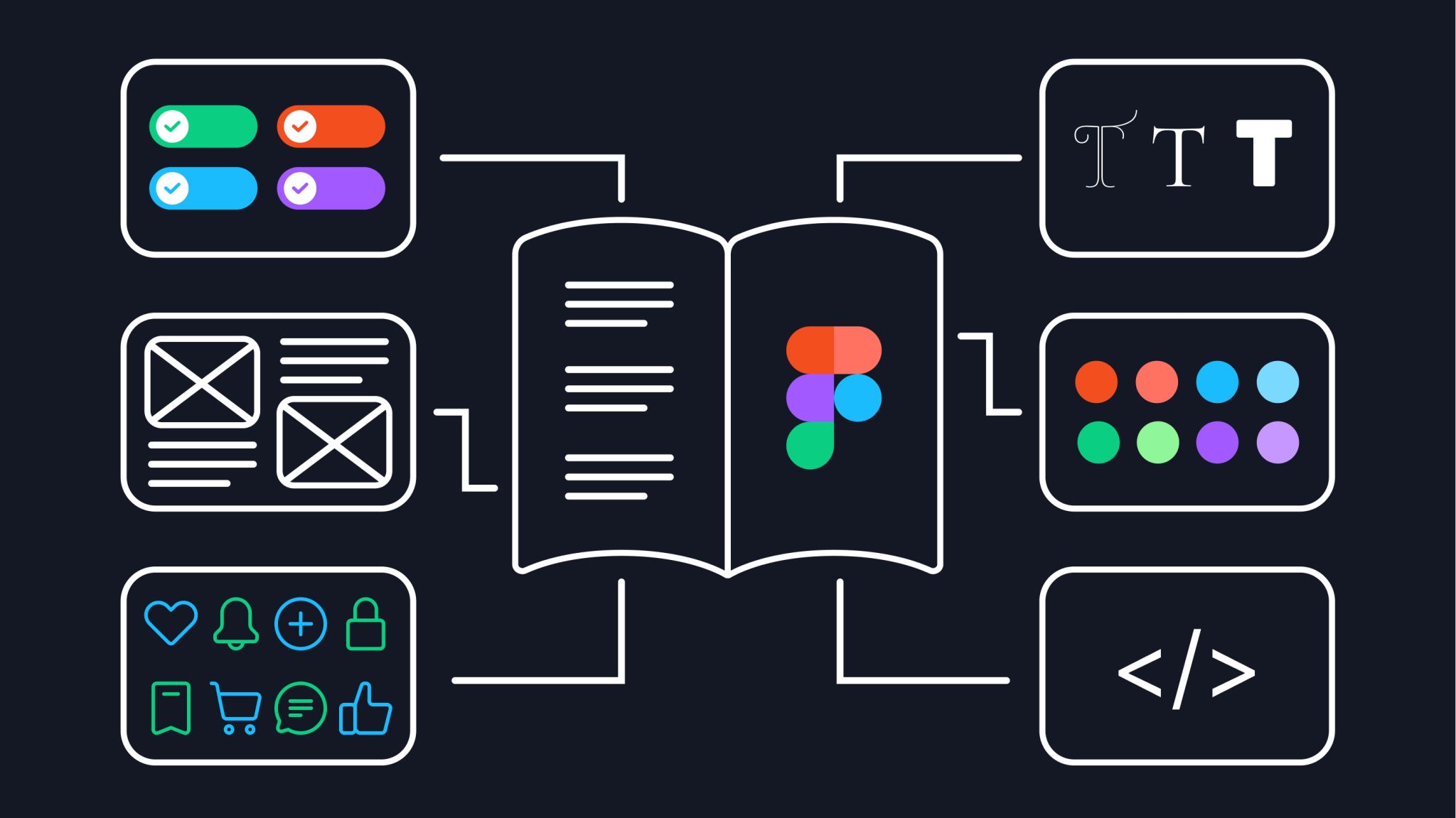
"Kya tumhara UI library tumhari product ki growth rok raha hai?" 🤯

Aug 2024
"Kya tumhara UI library tumhari product ki growth rok raha hai?" 🤯